WIC breastfeeding support — counselors, pumps, and the bigger package
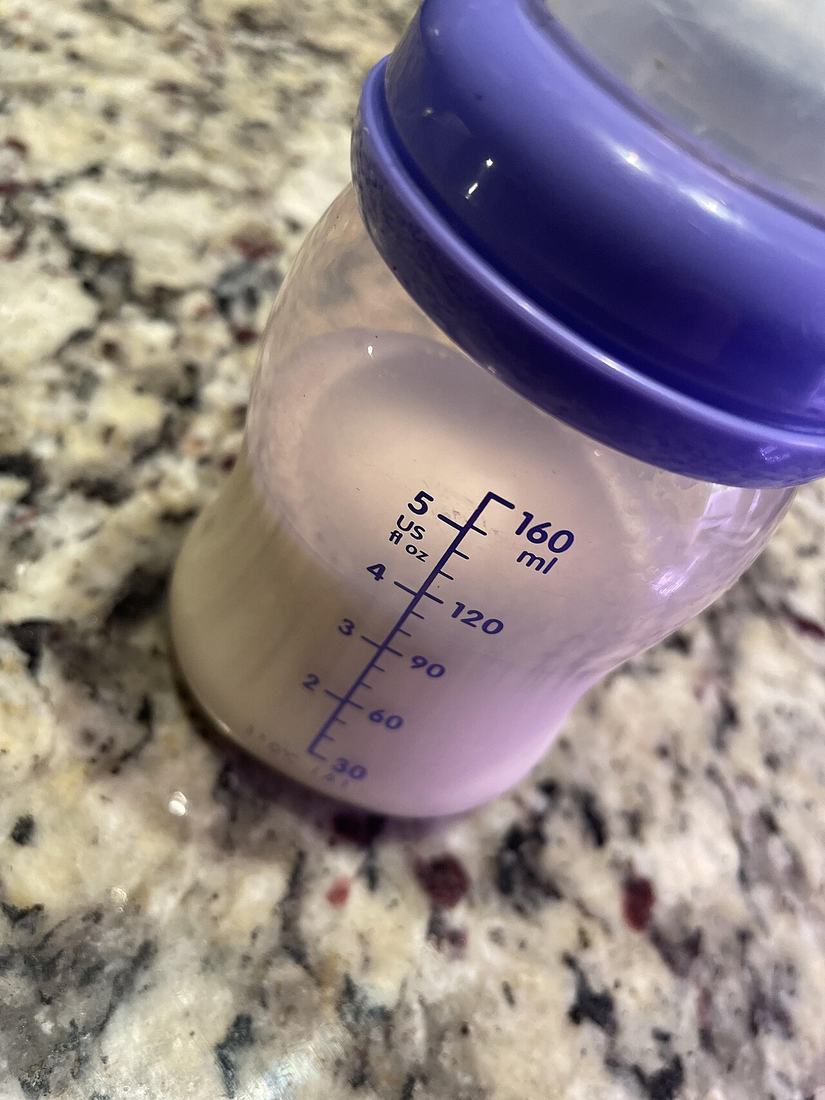
WIC treats breastfeeding as the preferred way to feed an infant, and it backs that position with services, not just words. Every WIC clinic offers breastfeeding support, and many offer it through trained peer counselors — women from the community who have breastfed their own babies and completed WIC breastfeeding training. Support is available before the birth, in the hospital period, and through the first year.
What the support actually includes
- A breastfeeding assessment at certification and during follow-up visits: how feeding is going, what problems have come up, and what the mother's goals are.
- Peer counselors who can answer questions between appointments, visit or call after delivery, and help with the early weeks when most breastfeeding problems appear.
- Breast pumps — manual or electric, depending on need and state policy — for mothers who are returning to work or school, who are separated from their babies, or who need help building supply. Ask your clinic; pumps are issued through the clinic, not bought with the eWIC card.
- Help with common problems: latching, sore nipples, worries about milk supply, feeding twins, and combining breastfeeding with work or school.
- A larger food package for the mother (see below) — the program's way of recognizing that a breastfeeding mother is feeding two people.
Fully breastfeeding vs partially breastfeeding
WIC draws a practical line, not a moral one. A fully breastfeeding mother gives her baby no infant formula from WIC; her Package VII food package is the largest women's package — $52 of fruits and vegetables, 24 quarts of milk, 2 dozen eggs, and 20 ounces of canned fish a month, and when her baby is 6 to 12 months old she also receives baby food meats for the baby. A partially (mostly) breastfeeding mother breastfeeds most of the time but also uses some WIC formula; her Package V food package is still generous — $52 of fruits and vegetables, 22 quarts of milk, 1 dozen eggs, 15 ounces of canned fish — and her baby can receive up to 364 fluid ounces of formula in the first month while breastfeeding is being established.
The line can move. If you start out partially breastfeeding and later breastfeed fully, tell your clinic: your package can be changed to the fully breastfeeding package. If breastfeeding stops, tell your clinic too — you move to the postpartum package for the rest of the 6-month postpartum period. Changing a package is a routine clinic adjustment, not a new application.
Returning to work or school
Going back to work or school does not end WIC breastfeeding support. Clinics help with pumping schedules, milk storage, and talking to an employer or school about time and space to pump. If you are given a pump, keep the clinic's instructions for cleaning it and for storing milk safely; if the pump breaks or no longer fits your needs, the clinic — not a store — is the place to ask for a replacement or a different model.
Next: the appointment itself, on How to apply.