WIC food packages I to VII explained
WIC does not give you a dollar amount to spend on anything. It gives you a food package: a monthly list of specific foods in specific amounts, matched to your category. There are seven packages, numbered I to VII. Your clinic prescribes the package for each enrolled person, and your eWIC card is loaded with exactly that package.
| Package | Who it is for | What it centers on |
|---|---|---|
| I | Infants, birth through 5 months | Infant formula for formula-fed babies; no formula for fully breastfed babies |
| II | Infants, 6 through 11 months | Formula plus infant cereal, fruits and vegetables, and meats for fully breastfed infants |
| III | Participants with a documented medical condition | Special formula and medical foods, prescribed for conditions such as prematurity or metabolic disorders |
| IV | Children, 1 through 4 years | Milk, cereal, juice, fruits and vegetables, whole grains, eggs, legumes or peanut butter |
| V | Pregnant women and partially breastfeeding women | The women's package below |
| VI | Postpartum women (not breastfeeding) | The women's package below, in smaller amounts |
| VII | Fully breastfeeding women | The largest women's package — the reward for breastfeeding without WIC formula |
The women's packages (USDA FNS WIC Works, January 2026)
| Food, per month | Pregnant (V) | Partially breastfeeding (V) | Postpartum (VI) | Fully breastfeeding (VII) |
|---|---|---|---|---|
| Fruits and vegetables (cash-value benefit) | $48 | $52 | $47 | $52 |
| Juice (100%) | 64 fl oz | 64 fl oz | 64 fl oz | 64 fl oz |
| Milk, fluid | 22 qt | 22 qt | 16 qt | 24 qt |
| Breakfast cereal | 36 oz | 36 oz | 36 oz | 36 oz |
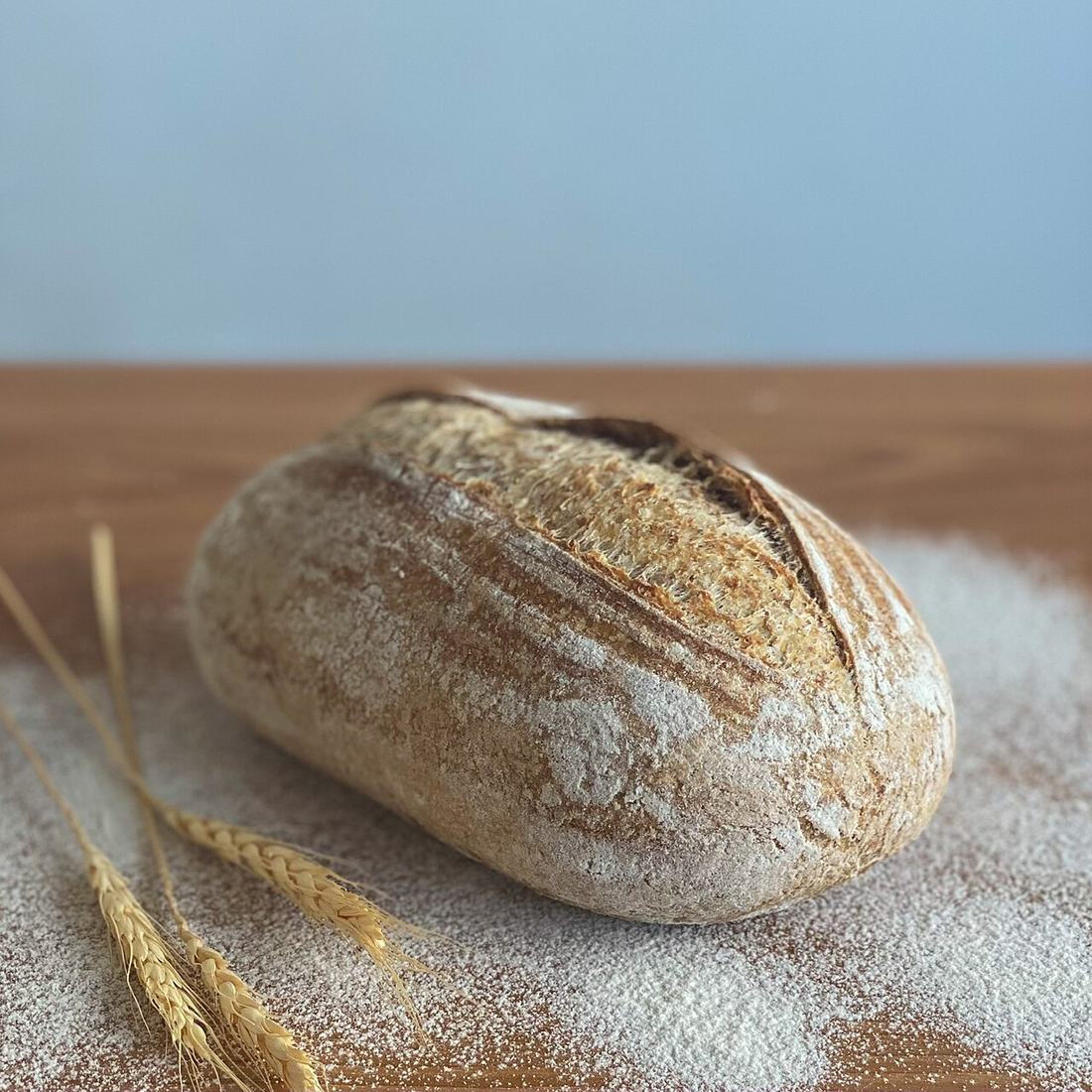
| Whole wheat or whole grain bread | 48 oz | 48 oz | 48 oz | 48 oz |
| Eggs | 1 dozen | 1 dozen | 1 dozen | 2 dozen |
| Canned fish | 10 oz | 15 oz | 10 oz | 20 oz |
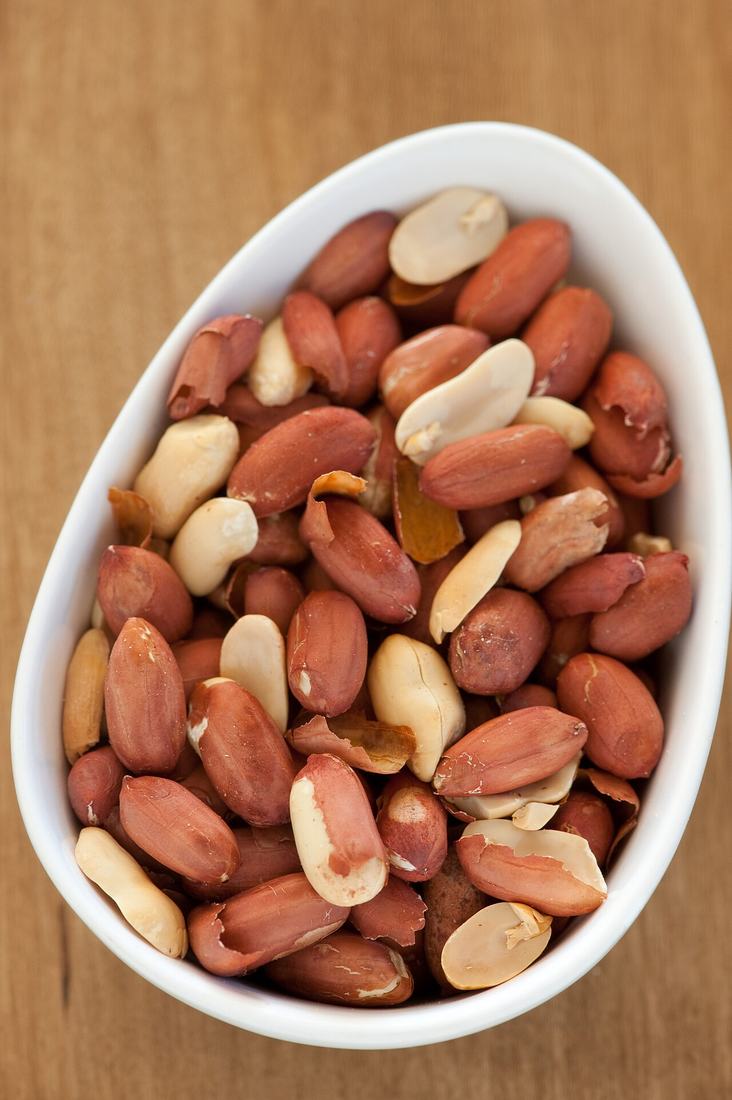
| Legumes and peanut butter | 1 lb dry or 64 oz canned legumes, plus 18 oz peanut butter | 1 lb dry or 64 oz canned legumes, plus 18 oz peanut butter | 1 lb dry or 64 oz canned legumes, or 18 oz peanut butter | 1 lb dry or 64 oz canned legumes, plus 18 oz peanut butter |
Two details matter. First, you may swap the 64 ounces of juice for an extra $3 of fruit-and-vegetable benefit — a good trade if your family already eats plenty of fruit. Second, the postpartum cash-value figure: the January 2026 WIC Works table lists postpartum at $47, while some fiscal year 2026 summaries list pregnant and postpartum together at $48. The table above uses the detailed table's figure; your state's benefit list is the final word for your case.
The fruit-and-vegetable benefit (cash-value benefit, fiscal year 2026)
Every package except the youngest infants' includes a monthly dollar amount loaded on the eWIC card that you spend on fruits and vegetables of your choice: $26 for children, $48 for pregnant and postpartum participants, $52 for breastfeeding participants. Fresh produce is always covered, and states must also make at least one other form available — frozen, canned, or dried. Canned and frozen options must have no added sugars or fats. The amount is adjusted for inflation each year, so it moves a little annually.
Children (Package IV) in plain terms
A child aged 1 to 4 gets milk (whole milk from ages 1 to 2, low-fat or nonfat from age 2), breakfast cereal, juice, the $26 fruit-and-vegetable benefit, whole grain bread or another whole grain, eggs, and legumes or peanut butter. Substitutions exist for allergies and preferences: soy beverage and tofu can stand in for milk, and legumes can stand in for eggs, among others your clinic can arrange. If your child cannot drink cow's milk or eat eggs, say so at certification — the package is tailored, not take-it-or-leave-it.
Infants: formula, cereal, and baby foods
For a formula-fed infant, WIC provides infant formula in amounts that rise with the baby's age; a partially breastfed infant in the first month can receive up to 364 fluid ounces of formula from WIC while breastfeeding is being established. A fully breastfed infant receives no formula from WIC — that is precisely why the mother's package is larger. At 6 months, when the baby is developmentally ready for solid foods, the infant package adds infant cereal and infant fruits and vegetables; fully breastfed infants also receive baby food meats. Families can choose how to take the infant fruit-and-vegetable benefit: 32 four-ounce jars, or 16 jars plus an $11 cash-value benefit, or a $22 cash-value benefit instead of jars.
Next: the extra support that comes with nursing, on Breastfeeding support.